
 English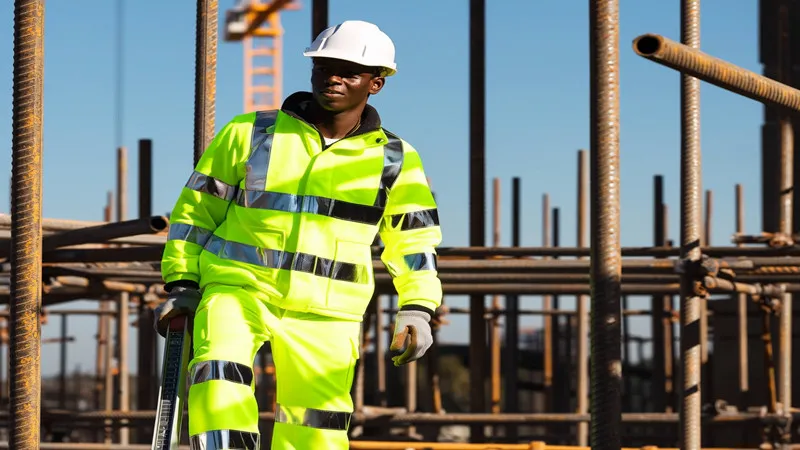
In the fast-paced and ever-evolving construction industry, the role of custom construction workwear cannot be overstated. Not only does it enhance team cohesion and professionalism, but it also plays a crucial role in ensuring worker safety and improving work efficiency. Customize construction workwear has become an indispensable element for construction companies. Below, we will explore the secrets of customize construction workwear in depth, uncovering how to select the right workwear to empower your crew.
1. What Is CustomConstructionWorkwear?
Customize construction workwear is not merely a uniform—it is a strategic asset that can enhance safety, comfort, and productivity on construction sites. Tailored to meet the unique demands of the construction industry, customize workwear goes beyond aesthetics to provide functional features that keep workers safe and productive in challenging environments.
From durable fabric materials to specialized designs that incorporate waterproofing, durability, and safety standards, customize construction workwear plays a crucial role in ensuring that your crew is well-equipped to handle the rigors of the job site.
Customize construction workwear serves as a walking advertisement for a company, boosting brand visibility and team cohesion. When construction workers wear workwear emblazoned with the company logo, it creates a unified and professional image, leaving a positive impression on clients and the public. More importantly, customize construction workwear is tailored to the needs of construction sites, offering excellent protection and comfort to ensure workers can focus on their tasks without distractions.
2. What Are Key Factors in Selecting Custom Construction Workwear?
2.1Fabric Material
The fabric is the foundation of custom construction workwear. High-quality fabrics not only enhance durability but also provide comfort and protection for workers. Common fabric materials include cotton, polyester, and cotton-polyester blends. Cotton fabrics are soft, breathable, and skin-friendly, but they are less durable and prone to wrinkling. Polyester fabrics are highly durable, wrinkle-resistant, and quick-drying, but they have relatively poor breathability. Cotton-polyester blends combine the advantages of both materials, offering good breathability and durability. Additionally, some specialized workwear incorporates advanced functional fabrics, such as waterproof, oil-proof, flame-retardant, and high-visibility fabrics, to meet specific work requirements.
2.2Design and Style
Rational design and stylish aesthetics are essential for custom construction. Workwear should be designed based on the actual needs of construction work, with features such as multiple pockets for convenient tool storage and reinforced areas to enhance durability. At the same time, attractive styling can boost worker morale and enthusiasm. For instance, choosing bright colors or unique patterns can make workers stand out on the job site, reflecting the company’s image and culture.
2.3Fit and Comfort
Construction work often involves physical labor, so custom construction workwear must provide excellent fit and comfort. The sizing should be appropriate, neither too tight nor too loose, to avoid restricting movement. The workwear should also accommodate the need for layered clothing, ensuring warmth in cold weather and ventilation in hot conditions. Ergonomic designs, such as articulated sleeves and bent hemlines, can further enhance comfort and convenience during work.
3. What Are Detailed Analysis of Fabric Materials for Custom Construction Workwear?
3.1Cotton Fabric
Cotton is a natural fiber characterized by softness, breathability, and moisture absorption. It is gentle on the skin and ideal for close-contact workwear. For example, 100% cotton twill fabric, with a tight weave and high density, offers good durability and wrinkle resistance. Its surface has a subtle luster, giving the workwear a neat and professional appearance. Customize construction workwear made from this fabric is highly sought after. However, pure cotton fabrics shrink easily and wrinkle quickly, which may affect the workwear’s lifespan and appearance.
3.2Polyester Fabric
Polyester is a synthetic fiber known for its superior wrinkle resistance, durability, and shape retention. It is easy to wash and quick-drying, making it highly practical for work environments. Polyester fabrics come in various types, such as polyester twill and polyester poplin. Polyester twill fabric has a diagonal weave pattern, offering high strength and a rich texture. It is often used for work jackets and overalls. Polyester poplin fabric, on the other hand, features a fine texture, a smooth surface, and good drape, making it suitable for work shirts and pants. However, polyester fabrics have poor breathability, and prolonged wear in hot weather may cause discomfort.
3.3Cotton-Polyester Blend Fabric
Cotton-polyester blend fabrics combine the advantages of both fibers. They offer better breathability than polyester and greater durability and wrinkle resistance than cotton. Common cotton-polyester blends include 65% polyester and 35% cotton, as well as 50% polyester and 50% cotton. The former has higher polyester content, resulting in better wrinkle resistance and durability, while the latter offers a more balanced performance. Customize construction workwear made from cotton-polyester blends strikes a good balance between comfort and practicality, making it one of the most popular choices in the market.
3.4Functional Fabrics
With advancements in textile technology, functional fabrics have become increasingly prevalent in custom construction workwear. For instance:
3.4.1WaterproofFabric
Construction work is often exposed to rain and moisture. Waterproof fabric prevents water from penetrating the workwear while allowing water vapor to escape, keeping workers dry and comfortable. Common waterproof fabrics include PVC-coated fabrics and PU-coated fabrics. PVC-coated fabrics offer strong waterproofing and durability but have poor breathability and a stiff texture. PU-coated fabrics, on the other hand, provide good waterproofing and breathability, with a softer texture and more natural feel. They are widely used in custom construction raincoats and overalls.
3.4.2Flame-Retardant Fabric
Certain construction sites pose fire hazards, making flame-retardant fabric critical for workwear. Flame-retardant fabrics can self-extinguish when exposed to fire, preventing flames from spreading and protecting workers from burns. Examples include inherent flame-retardant fabrics (e.g., aramid fibers) and treated flame-retardant fabrics (e.g., cotton fabrics treated with flame-retardant chemicals). Inherent flame-retardant fabrics offer long-lasting protection but are relatively expensive, while treated flame-retardant fabrics are more cost-effective but may gradually lose efficacy with repeated washing.
3.4.3High-Visibility Fabric
Construction sites are often busy environments with heavy machinery and vehicles. High-visibility fabric, typically bright colors like fluorescent yellow and fluorescent orange, can enhance worker visibility and reduce accident risks. Customize construction workwear made from high-visibility fabric often features reflective strips that reflect light in low-light conditions, further improving safety. This type of fabric is widely used in safety vests, safety helmets, and other protective gear.